Saturday, July 20, 2019

Death of Armen Armenian (July 20, 1965)

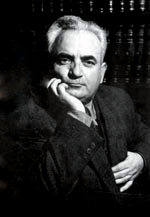
There was a constellation of names in the history of the Armenian theater at the end of the nineteenth century and beginning of the twentieth, and Armen Armenian was one of the stars of that constellation.

Armen Ipekian, his actual name, was the elder brother of Kaspar Ipekian (1883-1952), who would also become an important figure of Armenian theater and public life in the Diaspora. He was born in Constantinople, where he received his education, on September 10, 1871. He apparently jumped from one school to the other: from the Armenian elementary school in the neighborhood of Pera (Beyoglu) he went to a German school in the same area, then became a boarding student of the Mekhitarist Congregation in Kadikeuy, a student of the school of Ortakeuy, and finally, he graduated from the newly open Central (Getronagan) School.

Newly graduated, he was mesmerized by the great actor Bedros Atamian in 1889-1890, and deeply impacted by his death in 1891. He had to fight against the wishes of his family, which opposed to his theatrical interests, and finally had their consent to perform on the condition of never using the family name. This is how Armen Armenian was born. His first role was in Alexandre Dumas’ “The Dame of the Camellias.

His father wanted him to become a merchant, and sent him to Hamburg, in Germany, in 1894. While taking care of family business, he also watched Eleonora Duse and later, during a trip to Brussels, Sarah Bernhardt’s play. He got in touch with the “divine Sarah” and asked for her assistance. Later, he moved to Paris and entered Sarah Bernhardt theater, where he performed silent roles and became the assistant to the technical director, while following the art of Bernhardt, Mounet-Sully and his younger brother Paul Mounet, and others. He learned theatrical speech and the art of classical tragedy and comedy at Paul Mounet’s private studio in 1895-1897. He later performed at the Bouffes du Nord theater and at the Comedie Francaise.

In 1902 he was invited to Tiflis, where he performed and directed French plays, and then went to Baku as director and actor of the local Armenian theater group. In 1904 he moved to Nor Nakhichevan and formed a theater group, with which he toured the Armenian communities of Northern Caucasus and Russia

By 1908 Armenian had become a well-known director and actor, and joined forces with another recognized colleague, Hovhannes Abelian, to form the “Abelian-Armenian” theater group, which was particularly successful during its five-year run, with Abelian as the spirit of the group and Armenian as the director, with lengthy presentations in the Ottoman Empire, the Caucasus, and Russia. Armenian, who was the first director to stage Levon Shant’s famous play, “Ancient Gods,” was also an accomplished actor in the roles of Yago and Shylock (Shakespeare’s “Othello” and “The Merchant of Venice”), Franz (Friedrich Schiller’s “The Brigands”), Harpagon (Moliere’s “The Imaginary Invalid”), and others.

Armenian continued his theatrical activities in the Caucasus from 1914-1917, and went to Iran from 1917-1921. He returned to the Soviet Union in 1921, and worked in the Northern Caucasus, Baku, Tiflis, Alexandropol (nowadays Gyumri), and other places. He was the director of theaters in Alexandropol and Sukhumi, on the Black Sea shore. From 1935 he worked at the State Theater of Leninakan (Gyumri’s name from 1924-1991), and received the title of Popular Artist of Soviet Armenia in the same year. He staged a total of more than 100 plays in his life, and played about 150 roles. In 1954 he published his memoirs, entitled Sixty Years on the Armenian Stage.

Armen Armenian passed away at the age of ninety-three, on July 20, 1965, in Leninakan.

Friday, July 12, 2019

Ֆրետերիք Մաքլէր (մահ՝ 12 Յուլիս, 1938)

Հայագիտութիւնը ծաղկած է Արեւմուտքի մէջ աւելի առաջ, քան բուն հայերուն մէջ։ Գլխաւոր կեդրոններէն մէկը եղած է Ֆրանսան, ուր 1811ին հաստատուած Արեւելեան լեզուներու դպրոցը առաջատար դեր մը խաղացած է իր հայագիտական ամպիոնով։ Անցեալ դարու առաջին երեսնամեակին, Ֆրետերիք Մաքլէր ֆրանսական հայագիտութեան ամենէն բեղուն ու կարկառուն դէմքերէն մէկը եղած է։

Մաքլէր ծնած է 16 Մայիս 1869ին Մոնտորէ (Հօ-Սաոնի գաւառ)։ Իր արեւելագիտական ուսումը ստացած է Արեւելեան լեզուներու դպրոցին մէջ, աշակերտելով անոր հայագիտական ամպիոնի վարիչ Օկիւստ Քառիէրին (1881-1902), որուն քով սորված է հայերէն, ասորերէն եւ եբրայերէն։ 1895ին լոյս ընծայած է հայագիտական բնոյթի իր առաջին ուսումնասիրութիւնը՝ «Դանիէլի պարականոն յայտնութիւնները»։

Այս անխոնջ գիտնականը պիտի արտադրէր գրեթէ հարիւր յօդուածներ ֆրանսերէնով՝ հայոց պատմութեան, աշխարհագրութեան, բանահիւսութեան, երաժշտութեան ու ճարտարապետութեան մասին, եւ շարան մը գիրքեր՝ «Հայկական մանրանկարներ» (1913), «Երաժշտութիւնը Հայաստանի մէջ» (1917), «Արեւելեան խճանկար» (1917), «Հայկական աշխարհի զարդարուեստ» (1924), «Հայաստան եւ Խրիմ» (1930), ի շարս այլոց։ Հայկական նիւթերու նկատմամբ անոր հետաքրքրութիւնը պարզապէս անցեալին հետ կապուած չէր։ Ան գրած է գիրքեր, ինչպէս «Կիլիկիոյ շուրջ» (1916) եւ «Հայ ազգը, անոր անցեալը, անոր դժբախտութիւնները» (1924), ուր արտայայտած է իր խոր համակրանքը հայոց նկատմամբ, եւ չէ վարանած բազմիցս յայտնելէ իր համերաշխութիւնը անոնց հետ, դատապարտելով օսմանեան իշխանութիւններուն ոճրագործ քաղաքականութիւնը։

1911ին, Մաքլէր յաջորդած է մեծ լեզուաբան Անթուան Մէյէին իբրեւ հայագիտական ամպիոնի վարիչ։ Ան հիմնադիրներէն մէկը եղած է Հայագիտական Ուսմանց Ընկերութեան՝ 1919ին, խումբ մը գիտնականներու հետ (Վիքթոր Պեռար, Շառլ Տիլ, Անտրէ-Ֆերտինան Հերոլտ, Հ. Լաքրուա, Մէյէ, Կապրիէլ Միյէ եւ Կիւսթաւ Շլումպերկէր)։ Յաջորդ տարի հիմնած է հայագիտութեան ամենէն կարեւոր հանդէսներէն մէկը՝ “Revue des études arméniennes”ը, զոր խմբագրած է Մէյէի հետ մինչեւ 1933։ Մօտ երեք տասնամեակներու դադարէ մը ետք, հանդէսը վերակենդանացած է 1964ին եւ կը շարունակէ իր անխափան հրատարակութիւնը մինչեւ օրս։

Հայկական նիւթերու անխոնջ հետազօտող մըն էր Մաքլէր, որ բազմաթիւ ուսումնասիրական ճամբորդութիւններ կատարած է Եւրոպա (Հոլանտա, Սպանիա, Իտալիա, Աւստրիա, Լեհաստան, Դանիա, Ռումանիա, Պուլկարիա) եւ Միջին Արեւելք (Կ. Պոլիս, Սուրիա), եւ յաճախ հրատարակած անոնց արդիւնքը գիրքերու եւ յօդուածներու մէջ։ Օրինակ, այցելած է Հայաստան 1909ին եւ այդ քառամսեայ այցելութեան արդիւնքները հրատարակած է «Զեկոյց Ռուսահայաստանի եւ Թրքահայաստանի մէջ գիտական առաքելութեան մը մասին» (1911)։ Կազմած է իր այցելած գրադարաններուն մէջ գտնուող հայկական ձեռագիրներու ցուցակներ, ներառեալ Ֆրանսայի Ազգային Գրադարանի մէջ պահպանուած ձեռագիրներուն ցուցակը (1908)։ 1905ին թարգմանած է Սեբէոսի պատմութեան կցուած անանուն հեղինակին գործը, իսկ 1917ին՝ Ասողիկի «Տիեզերական պատմութիւն»ը։ Թարգմանած ու կազմած է ժողովածուներ արդի հայ գրականութեան (1905), ժողովրդական հէքեաթներու (1915 եւ 1928), դիցաբանական պատումներու (1929) եւ արդի լեզուի։

Մաքլէր հանգստեան կոչուած է 1937ին, իբրեւ յաջորդ ունենալով համբաւաւոր հնդեւրոպագէտ Ժորժ Տիւմէզիլ։ Մահացած է 12 Յուլիս, 1938ին, Մոնպէլիարի մէջ (Տուպ գաւառ)։


Death of Fréderic Macler (July 12, 1938)


Armenian Studies flourished in the West long before they did among Armenians. France was one of the main hubs, with the Armenian chair of the École des Langues Orientales (School of Oriental Languages) as the main center of activities. Fréderic Macler was one of the prolific names of French Armenology during the first third of the past century.

Macler was born on May 16, 1869, at Montdoré, in the department of Haut-Saône. He studied with Auguste Carriere, the holder of the chair at the École from 1881-1902, and learned Armenian, Syriac, and Hebrew with him. In 1895 he published his first article of Armenological interest, “Apocryphal Armenian Apocalypses of Daniel.”

This indefatigable scholar would go to write almost a hundred articles in French about issues of Armenian history, geography, folklore, music, architecture, and painting, and a string of books (Armenian Miniatures, 1913; The Music in Armenia, 1917; Oriental Mosaic, 1917; Armenian Secular Decorative Art, 1924; Armenia and Crimea, 1930, among many others). His interest in Armenian issues was not simply attached to the past. He wrote works like Around Cilicia (1916) and The Armenian Nation: Its Past, Its Disgraces (1924), among others, where he expressed his deep sympathy to the Armenian plight and did not hesitate to express his solidarity in many opportunities, condemning the criminal actions of the Ottoman government.

Macler succeeded the great linguist Antoine Meillet at the chair of Armenian in 1911. He was one of the co-founders of the Société des études arméniennes in 1919, together with a group of scholars (Victor Berard, Charles Diehl, André-Ferdinand Herold, H. Lacroix, Meillet, Gabriel Millet, and Gustave Schlumberger). The following year he created one of the most important journals in the Armenian Studies field, the Revue des études arméniennes, which he co-directed with Meillet until its demise in 1933. Three decades later, in 1964, the journal was revived and continues its publication to this day.

As an avid scholar of things Armenian, Macler made many research trips throughout Europe (Holland, Spain, Italy, Austria, Poland, Denmark, Romania, Bulgaria) and the Middle East (Constantinople, Syria), and frequently published the results in books and articles. For instance, he visited Armenia during four months in 1909 and published his findings in the book Report on a Scientific Mission in Russian Armenia and Turkish Armenia (1911). He also compiled catalogs of Armenian manuscripts found in the libraries he had visited, including a catalog of Armenian manuscripts preserved at the National Library of France (1908). He translated the first part—whose author is actually unknown—of the History of Heraclius by Sebeos, an author of the seventh century (1905), and the Universal History of Stepanos Taronatsi (Asoghik), a historian of the tenth century (1917). He translated and compiled collections of Armenian modern literature (1905), popular tales (1915 and 1928), mythological accounts (1929), and a chrestomathy of modern language.

Macler retired from his chair in 1937 and was succeeded by Georges Dumezil, the famous Indo-Europeanist. Macler passed away on July 12, 1938, in Montbeliard (Doubs).

Saturday, July 6, 2019

Գրիգոր Չուբարեան (ծնունդ՝ 6 Յուլիս, 1888)

Խորհրդային Հայաստանի օրէնքի լաւագոյն մասնագէտներէն մէկն էր Գրիգոր Չուբարեանը, որ ստալինականութեան զոհ դարձած է։

Ծնած է 6 Յուլիս, 1888ին, Թոփտի հայաբնակ գիւղը՝ Նոր Նախիջեւանի շրջանին մէջ (Դոնի Ռոստով, Հիւսիսային Կովկաս)։ Նոր Նախիջեւանի մէջ իր կրթութիւնը ստանալէ ետք, Եարոսլաւլի համալսարանի իրաւաբանական ճիւղին հետեւած է, միաժամանակ շրջանաւարտ ըլլալով Մոսկուայի համալսարանի պատմագիտութեան ճիւղէն։ 1913ին վերադառնալով Դոնի Ռոստով, աշխատած է իբրեւ իրաւաբան եւ միաժամանակ զբաղած է լրագրութեամբ։

Հայաստանի խորհրդայնացումէն ետք, Չուբարեան մնայուն կերպով հաստատուած է Երեւան։ 1920-1924ին արդարութեան կոմիսարի (նախարար) տեղակալն էր։ Որպէս այդպիսին, գլխաւորած է հանրապետութեան օրէնսդրութիւնը մշակելու, կարգաւորելու եւ հրապարակելու գործը, ներառեալ 1922ի Սահմանադրութիւնը, քրէական դատավարութեան եւ հողային օրէնսգիրքերը, դատարանի կազմութեան եւ այլ տեսակի օրէնքներ։ Անձամբ մշակած է կարգ մը օրէնքներու նախագիծեր։

1920ին Չուբարեան Երեւանի պետական համալսարանի դասախօս նշանակուած է, ու այդ պաշտօնը վարած մինչեւ 1937, երբիր եղբօր՝ Եղիայի նման (համայնավար գործիչ ու խմբագիր), ստալինեան մաքրագործումներու զոհ դարձած է՝ դատապարտուելով աքսորի։ Անոր բոլոր գործերը փճացած են, սակայն, ի տարբերութիւն եղբօր, որ մահացած է 1937ին, կարողացած է վերապրիլ աքսորէէն ետք։ 1956ին արդարացուելով, շարունակած է աշխատիլ համալսարանին մէջ։ 1957-1962 դասընթացքներ վարած է պետական օրէնքի, խորհրդային օրէնքի, խորհրդային սահմանադրական օրէնքի, քրէական դատավարութեան, քրէական օրէնքի եւ հռետորական արուեստի մասին։

Չուբարեան լաւ ծանօթ էր փիլիսոփայական եւ ընկերա-քաղաքական մտքին, ինչպէս եւ հայոց պատմութեան, գրականութեան ու արուեստի պատմութեան։ Ան կարեւոր նպաստ բերած է հայկական իրաւաբանութեան գիտական եզրաբանութեան ստեղծման, առաջին երկլեզու (ռուսերէն-հայերէն) իրաւունքի բառարանը (1924) համահեղինակելով։ Գրած է շարք մը աշխատութիւններ եւ ծաւալուն յօդուածներ, որոնք լոյս տեսած են հայ մամուլին մէջ 1910-1930ական թուականներուն։ 1961ին ստացած է գիտութեան վաստակաւոր գործիչի կոչումը։

Գրիգոր Չուբարեան մահացած է 6 Սեպտեմբեր, 1962ին, 74 տարեկան հասակին, Երեւանի մէջ։ Անոր կիսանդրին զետեղուած է Երեւանի պետական համալսարանի կեդրոնական մասնաշէնքի նախասրահին մէջ, խորհրդանշելով անոր դերը այս հաստատութեան կայացման եւ զարգացման մէջ։ Ան հայրը եղած է քանդակագործ Ղուկաս Չուբարեանին (1923-2009)՝ Մատենադարանի ճակատը գտնուող Մեսրոպ Մաշտոցի արձանի հեղինակը, եւ նկարչուհի Անոյշ Չուբարեանին։

Birth of Grigor Chubarian (July 6, 1888)

One of the best law experts in the first decades of Soviet Armenia, fell victim to Stalinism. This week we remember the birth of Grigor Chubarian.

Chubarian was born on July 6, 1888, in the Armenian village of Topdi, located in the region of Nor Nakhichevan (Rostov-on-the Don, Northern Caucasus). After receiving his education at Nor Nakhichevan, he studied law at the University of Yaroslavl, an institution north of Moscow, and also graduated from the School of History at the University of Moscow. He returned to Rostov-on-the-Don in 1913 and worked as a lawyer. At the same time, he dabbled as a journalist.

After the sovietization of Armenia, Chubarian moved permanently to Yerevan. He was the deputy commissar (minister) of Justice from 1920-1924 in the government of Soviet Armenia. As such, he supervised the work of creating, codifying, and publishing the corpus of law of the republic, including the Constitution of 1922 (replaced in 1936), the Codes of Criminal Procedure and Territory, the laws on the creation of courts and others, and he personally drafted various such laws.

He became a professor at Yerevan State University in 1920, where he taught until the ominous year 1937. Like his brother Yeghia, a Communist activist and editor, he was subject to Stalinist repression and exiled. All his works were destroyed, but unlike his brother, who died in 1937, he was able to survive exile. He was rehabilitated in 1956 and continued working at the university. From 1957-1962 he gave courses of state law, Soviet law, Soviet constitutional law, criminal procedure, criminal law, and rhetorical art.

Chubarian was well-versed in philosophical and socio-political thinking, and well-aware of Armenian history, and history of literature and art. He made an important contribution to the creation of scholarly terminology in Armenian law, becoming a co-author of the first bilingual (Russian-Armenian) law dictionary (1924). He wrote various works and important scholarly articles published in Armenian periodicals from the 1910s to the 1930s.

In 1961, he earned the title of Emeritus Worker of Science of Soviet Armenia. Grigor Chubarian passed away at the age of seventy-four, on September 6, 1962, in Yerevan. His bust has been installed at the opening hall of the central building of Yerevan State University, symbolizing his role in the establishment and development of this institution. He was the father of sculptor Ghukas Chubarian (1923-2009), famous for the statue of Mesrop Mashtots and Koriun at the front of the Matenadaran, among others, and painter Anoush Chubarian.

Monday, July 1, 2019

Գառնիկ Ստեփանեան (մահ՝ 1 Յուլիս, 1989)

Գառնիկ (Տէր) Ստեփանեան՝ արեւմտահայ մշակոյթի լաւագոյն մասնագէտներէն մէկը Խորհրդային Հայաստանի մէջ, ծնած է 14 Փետրուար 1909ին Դերջան գաւառի (Երզնկա) Մամախաթուն գիւղին մէջ։ Մայիս 1915ին Դերջանի հայերը մեծաւ մասամբ սպաննուած են Մեծ Եղեռնի ընթացքին, շատերը՝ իսլամացած, եւ մնացորդացը աքսորուած՝ Տէր-Զոր։ Մանուկ Գառնիկը յաջողած է վերապրիլ եւ, պատերազմէն ետք, հասնիլ Սեբաստիա, ուր ստացած է իր նախնական կրթութիւնը։ 1923ին տեղափոխուած է Յունաստան բազմաթիւ հայ որբերու հետ, ապաստան գտնելով Էտիփսոսի, Խալքիսի եւ Օրոփոսի որբանոցներուն մէջ։ Երկու տարի ետք, անցած է Եգիպտոս, ուր աշխատած է իբրեւ գրաշար «Արեւ» օրաթերթին եւ «Ոսկետառ» տպարանին մէջ։

1930ին Ստեփանեանի կեանքը շրջադարձ մը ապրած է՝ Խորհրդային Հայաստան ներգաղթով, ուր իր կորսուած ծնողները գտած է։ Շարունակած է աշխատիլ իբրեւ գրաշար, այս անգամ՝ Պետհրատի առաջին տպարանին մէջ։ 1938ին շրջանաւարտ եղած է Երեւանի պետական համալսարանի բանասիրական ճիւղէն։ Միջոցին, հայոց լեզու եւ գրականութիւն դասաւանդած է «Ալեքսանդր Թամանեան» թեքնիք ուսումնարանին մէջ (1937-1939) եւ գրաբար՝ բանասիրական ճիւղին մէջ (1939-1940)։ Եղած է Հրաչեայ Աճառեանի աշակերտը, որուն մասին գրած է շահեկան յուշագրութիւն մը (1976)։

Հրատարակչական մարզին մէջ, աշխատած է «Սովետական Հայաստան» օրաթերթին, «Սովետական Հայաստան» ամսագրին եւ Գիտութիւններու Ակադեմիայի «Տեղեկագիր հասարակական գիտութիւնների» ամսագրին մէջ։ 1943ին անդամակցած է Հայաստանի Գրողներու Միութեան եւ երկու տարի ետք, հրատարակած է Մեծ Եղեռնի նուիրուած առաջին վէպը խորհրդահայ գրականութեան մէջ՝ «Մղձաւանջային օրեր», ինքնակենսագրական բնոյթով, որ վերահրատարակուած է երեք անգամ 1989էն սկսեալ։

Գառնիկ Ստեփանեան աշխատած է Ակադեմիայի գրականութեան հիմնարկին մէջ, Գրականութեան եւ Արուեստի թանգարանի տնօրէնը եղած է (1954-1963), եւ ապա՝ Ակադեմիայի արուեստի հիմնարկի գիտաշխատող 1963էն մինչեւ իր մահը։ Ան մասնագիտացած է արեւմտահայ գրականութեան եւ թատրոնի բնագաւառին մէջ։ Մենագրութիւններ գրած է արեւմտահայ թատրոնի զանազան նշանաւոր դերասաններու մասին (Պետրոս Ադամեան, Արուսեակ Փափազեան, Մկրտիչ Ջանան եւ Սիրանոյշ), հրատարակած է Ադամեանի նամակներու հատոր մը եւ հեղինակած է յուշագրութիւն մը ուրիշ մեծ դերասանի մը մասին՝ Վահրամ Փափազեան։ Անոր ամենէն կարեւոր նպաստը այս բնագաւառին եղած է եռահատոր «Ուրուագիծ արեւմտահայ թատրոնի պատմութեան» աշխատութիւնը (1962, 1969, 1975)։ Ան նաեւ գրած է սփիւռքահայ թատրոնին մասին։ «Ակնարկներ սփիւռքահայ թատրոնի պատմութեան» շարքէն երկու հատոր լոյս տեսած են՝ ֆրանսահայ (1982) եւ ամերիկահայ (2008, յետմահու) թատրոնի մասին։

Ստեփանեան ո՛չ միայն հրատարակած է աշխատութիւններ Արփիար Արփիարեանի (1955) եւ Յակոբ Պարոնեանի (1956, 1964) մասին, այլեւ թրքերէնէ հայերէն թարգմանած է Յովսէփ Վարդանեանի «Ագապի» վէպը (1953), որ առաջին թրքական վէպն է (սկզբնապէս լոյս տեսած 1851ին՝ հայատառ թրքերէնով), ինչպէս եւ Պարոնեանէն կարգ մը հայատառ թրքերէն գործեր։

Բանասէրին ուրիշ մէկ կարեւոր նպաստը հայագիտութեան եղած է երեք հատորնոց «Կենսագրական բառարան»ը (1973, 1981, 1990), որ դժբախտաբար անաւարտ մնացած է։

1967 ին Հայաստանի արուեստի վաստակաւոր աշխատողի տիտղոսը ստացած է, իսկ չորս տարի ետք՝ դոկտորական աւարտաճառը պաշտպանած է։ 1980ին ստացած է Հայաստանի պետական մրցանակը՝ «Հայ նոր գրականութեան պատմութիւն» հինգ հատորնոց հաւաքական աշխատութեան համար։

Ստեփանեան իր մահկանացուն կնքած է 1 Յուլիս 1989ին, Երեւանի մէջ։ Անոր յետմահու աշխատանքներուն շարքին կը պատկանի 600 էջնոց մենագրութիւն մը իր ծննդավայրին պատմութեան մասին՝ «Երզնկա» (2005)։

Death of Garnik Stepanian (July 1, 1989)

One of the best specialists of Western Armenian culture in Soviet Armenia, Garnik (Der) Stepanian was born on February 14, 1909, in the village of Mamakhatoun, district of Derjan, in the area of Erzinga. In May 1915 most Armenians of Derjan were killed during the genocide; many were forcibly converted to Islam, and the remainders were deported towards Der-Zor. Young Garnik managed to survive and, after the war, he reached Sepastia, where he received elementary education. In 1923 he was moved to Greece together with many Armenian orphans, where he found shelter in the orphanages of Edipsos, Khalkis, and Oropos. Two years later, he found his way to Egypt and worked for the next five years as a typesetter in the daily Arev and the printing house Voskedar.

Stepanian’s life would make a turn in 1930 when he immigrated to Soviet Armenia and found his lost parents there. He continued working as a typesetter, this time at the first printing shop of the State Publishing House. In 1938 he graduated from the Faculty of Philology of Yerevan State University. Meanwhile, he taught Armenian language and literature at the Alexander Tamanian technical school (1937-1939), and Classical Armenian at the Faculty of Philology from 1939-1940. He was a student of famous linguist Hrachia Adjarian, about whom he would write an intriguing memoir (1976).

He wore several hats in the editorial world: he worked at the daily Sovetakan Hayastan, the monthly Sovetakan Hayastan (published for the Armenians of the Diaspora), and the monthly Teghekagir, the social studies publication of the Academy of Sciences of Armenia. In 1943 he became a member of the Writers Union of Armenia and two years later, he published the first novel about the Armenian Genocide in Soviet Armenia, Nightmarish Days (1945), based on his own experience, which was reprinted three times.

Garnik Stepanian worked at the Institute of Literature of the Academy, directed the Museum of Literature and Art from 1954-1963, and was a researcher at the Institute of Art of the Academy from 1963 until his death. He became a prolific and well-regarded name as a historian of Armenian culture, specializing in the fields of Western Armenian literature and theater. He authored monographs about several famous actors in the history of Western Armenian theater, like Bedros Atamian, Arusiag Papazian, Megerdich Djanan, and Siranush, a volume of correspondence by Atamian, and a memoir about another famous actor, Vahram Papazian. His most important contribution to the field was the seminal three-volume monograph, Outline of the History of Western Armenian Theater (1962, 1969, 1975). He would also delve into the theater of the Diaspora, with a series entitled Essays on the History of Diasporan Armenian Theater, of which he managed to write two volumes on French-Armenian (1982) and Armenian-American theater (posthumously published, 2008).

Stepanian not only published monographs on two famous Western Armenian writers, Arpiar Arpiarian (1955) and Hagop Baronian (1956, 1964), but he also translated from Turkish into Armenian the first Turkish novel, Hovsep Vartanian’s Akaby (1953, originally published in 1851), and several works by Baronian.

Another important contribution by Stepanian to the field of Armenian Studies was his three-volume Biographical Dictionary (1973, 1981, 1990), which unfortunately remained unfinished .

In 1967 he earned the title of Emeritus Art Worker of Armenia and four years later he defended his second doctoral thesis in the field of art. In 1980 he was a co-winner of the State Prize of Armenia for the five-volume collective work, History of Modern Armenian Literature.

Stepanian passed away on July 1, 1989, in Yerevan. Among his posthumous works is an especially remarkable 600-page monograph on the history of his birthplace, Erzinga (2005).